Victor Argo: The New York Actor Who Made Every Scene Count
The Remarkable Life, Iconic Film Roles, and Lasting Legacy of a Legendary American Character Actor

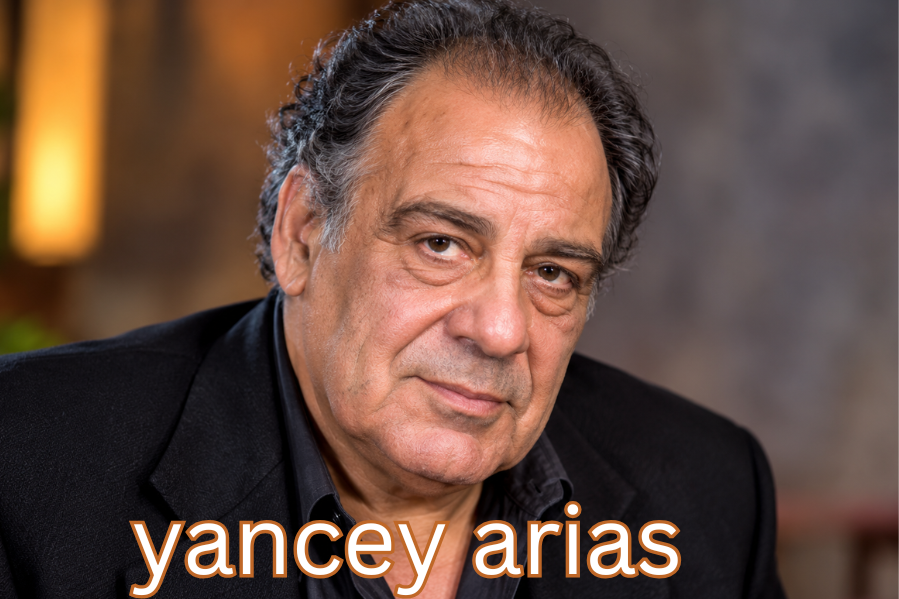
Victor Argo rarely needed the leading role to become the person audiences remembered. With a gravelly voice, weathered features and a remarkable sense of timing, he made gangsters, police officers and ordinary New Yorkers feel equally believable.
The Puerto Rican-American actor worked across film, television and theatre, building enduring relationships with directors Martin Scorsese and Abel Ferrara. From experimental theatre to country music and Broadway, Argo pursued a wider creative life than his most recognisable screen roles suggest.
Victor Argo Quick Bio
| Details | Information |
|---|---|
| Full Name | Víctor Jiménez |
| Stage Name | Victor Argo |
| Date of Birth | 5 November 1934 |
| Place of Birth | New York City, USA |
| Date of Death | 7 April 2004 |
| Age at Death | 69 years |
| Nationality | American |
| Ethnicity | Puerto Rican-American |
| Profession | Actor, Musician |
| Famous For | Taxi Driver, Mean Streets, King of New York, Bad Lieutenant |
| Father | Victor Jiménez |
| Mother | Maria L. Jiménez Rosario |
| Marital Status | Not publicly confirmed |
| Children | Not publicly confirmed |
| Career | Film, Television and Theatre |
| Notable Directors | Martin Scorsese, Abel Ferrara, Woody Allen |
| Net Worth | Not publicly verified |
| Cause of Death | Lung cancer |
| Place of Death | Manhattan, New York, USA |
From a Puerto Rican Family to the South Bronx
Born Victor Jiménez on 5 November 1934 in New York City, Argo was the son of Victor Jiménez and Maria L. Jiménez Rosario. Both parents came from Quebradillas, Puerto Rico. He grew up in the South Bronx, surrounded by the city’s overlapping Puerto Rican, Irish and Jewish communities.
His multicultural upbringing gave him a familiarity with different personalities, accents and neighbourhood traditions. Years later, this background helped him portray people who seemed genuinely rooted in the streets where his films took place.
He adopted the professional surname Argo during an era when Latino performers faced barriers to casting. His decision reflected the challenges that minority actors encountered while establishing careers in American entertainment.
Theatre Before Hollywood
Argo developed his craft on New York stages long before becoming a familiar film face. In Greenwich Village during the 1960s, he became involved in an experimental arts community that challenged conventional ideas about performance.
His circle included Yoko Ono. Argo participated in experimental happenings, experiences far removed from the tightly structured crime films for which he later became known.
Another important connection was Harvey Keitel. The two actors became longtime friends and would appear together in several films. Their professional relationship continued throughout much of Argo’s career.
In 1977, Argo helped establish the Riverside Shakespeare Company, bringing classical performance to audiences beyond traditional theatre buildings. He also performed Shakespeare in New York parks.
His Unexpected Passion for Country Music
Argo played guitar, wrote songs and admired country music, a less familiar interest for an actor closely associated with New York crime stories.
During the 1960s, he travelled to Nashville and recorded a single titled Dime a Dozen. He also had opportunities to sing on screen, including in Blue in the Face, showing a lighter, more playful side of his personality.
A Distinctive Arrival on Screen
His career eventually encompassed roughly 70 feature films and dozens of television appearances. Yet sheer volume misses his appeal: he could turn an incidental part into someone with motives and a life beyond the plot.
Argo’s film career took off in the early 1970s, with appearances in Dealing and Martin Scorsese’s Boxcar Bertha in 1972. Even brief appearances could establish an entire character.
In Mean Streets (1973), he played Mario alongside Keitel and Robert De Niro. The film’s crowded bars, shifting loyalties and uneasy confrontations provided an ideal setting for Argo’s grounded style.
His ability to convey authority without lengthy dialogue became a defining strength. A hard stare, an abrupt gesture or a change in vocal tone could tell viewers what kind of person had entered the room.
Working With Martin Scorsese
One of his best-known appearances came in Taxi Driver (1976), where he played a shopkeeper who responds forcefully to violence. The character occupies little screen time, but his reaction contributes to the film’s unsettling portrait of the city.
Scorsese later cast him as the Apostle Peter in The Last Temptation of Christ (1988). The role showed a different register: less streetwise aggression, more humanity and spiritual uncertainty. Argo also appeared in the Scorsese-directed segment of New York Stories (1989).
These contrasting performances reveal why filmmakers returned to him. He could establish menace without abandoning restraint.
The Abel Ferrara Years
Argo’s association with Abel Ferrara placed him at the centre of another influential strand of New York filmmaking. Ferrara’s stories often explored violence, moral compromise and the blurred boundaries between criminals and the people pursuing them.
In King of New York (1990), Argo played Lieutenant Roy Bishop opposite Christopher Walken’s crime boss. Bishop’s persistence brought a recognisable police presence to a film filled with larger-than-life characters.
He appeared again with Keitel in Bad Lieutenant (1992), a bleak drama about a corrupt officer struggling with addiction and guilt. Argo played a fellow policeman, contributing to the film’s convincing portrait of an institution under strain.
These films called for actors capable of making uncomfortable situations feel immediate and credible, even when their roles were relatively small.
Beyond Gangsters and Police Officers
Although urban thrillers became his signature, Argo’s filmography contains considerable variety. He appeared in The Rose (1979), Desperately Seeking Susan (1985), Woody Allen’s Crimes and Misdemeanors (1989) and True Romance (1993).
Later credits included Smoke (1995), The Funeral (1996) and Jim Jarmusch’s Ghost Dog: The Way of the Samurai (1999).
His versatility was equally apparent when a script called for humour. Even in tense stories, his dry delivery and sudden changes in expression could shift a scene’s energy without drawing attention away from its lead.
Mainstream audiences also encountered him in Coyote Ugly (2000) and Angel Eyes (2001). In the latter, he played the father of Jennifer Lopez’s character, bringing a domestic dimension to his familiar no-nonsense screen identity.
Television offered another steady outlet. His credits included The Waltons, Kojak, Miami Vice, Law & Order and Law & Order: Criminal Intent.
A Broadway Achievement Late in Life
Despite his extensive screen work, Argo continued to value live performance. He appeared in Eddie Lawrence’s Animals on Broadway in 1981 and worked in regional and Off-Broadway productions, including Breaking Legs, Clean and The Dog Problem.
His commitment to stage work also allowed sustained collaboration with playwrights and fellow performers. Unlike a film shoot built around short takes, live theatre asked him to maintain a character’s rhythm across an entire performance.
A particularly meaningful late-career part was Santiago in Nilo Cruz’s Anna in the Tropics. He played a Florida cigar-factory owner whose gambling threatens the family business. Argo first performed in the production at Princeton’s McCarter Theatre before joining its Broadway run, which opened in November 2003.
The Pulitzer Prize-winning drama drew on Cuban-American family life and the power of storytelling. Santiago gave Argo an opportunity to combine authority, vulnerability and cultural understanding in a role with greater emotional scope than many of his films.
Private Life, Final Years and Death
Argo’s parents and Puerto Rican heritage are well documented, but reliable accounts provide fewer details about his romantic relationships or any children. Rather than fill those gaps with speculation, his life is best understood through the creative work he chose to share.
He died on 7 April 2004 at St Vincent’s Hospital in Manhattan, aged 69. The cause was lung cancer. His death came only weeks after Anna in the Tropics completed its Broadway engagement in February that year.
His final screen work included the independent film Lustre, released in 2005.
Why His Performances Still Matter
Argo belonged to a generation of New York character actors who gave films texture beyond the central storyline. He did not need elaborate speeches or extensive screen time to communicate a character’s history.
Directors such as Scorsese and Ferrara depended on performers whose familiarity with the city’s rhythms made fictional worlds convincing. Argo supplied precisely that quality.
His legacy stretches beyond memorable tough-guy roles. It includes stage experimentation, Shakespeare, music and a late Broadway performance that brought different sides of his abilities together.
Conclusion
Victor Argo built a career through consistent, sharply observed performances rather than celebrity-driven leading roles. Across crime cinema, television, experimental theatre and Broadway, he brought individuality to characters who might otherwise have disappeared into the background.
For audiences revisiting Mean Streets, Taxi Driver or King of New York, his work remains an example of how a skilled supporting actor can define the atmosphere of an entire film.
Frequently Asked Questions
Who was Victor Argo?
Victor Argo was an American actor and musician of Puerto Rican heritage, born Victor Jiménez in 1934. He was known for supporting roles in films by Martin Scorsese, Abel Ferrara and other prominent directors. His career also included television, regional theatre, Broadway productions and songwriting.
How old was Victor Argo when he died?
He was 69 years old when he died on 7 April 2004. Born on 5 November 1934, Argo spent decades working in film and theatre. His death occurred in Manhattan, where he had longstanding personal and professional connections.
What are Victor Argo’s most famous movies?
His best-known films include Mean Streets, Taxi Driver, The Last Temptation of Christ, King of New York, Bad Lieutenant and Ghost Dog: The Way of the Samurai. He also appeared in True Romance, Coyote Ugly and Angel Eyes, showing the breadth of his supporting roles.
Did Victor Argo work with Harvey Keitel?
Yes. The actors met early in their careers in New York and developed a lasting friendship. They appeared together in films such as Mean Streets and Bad Lieutenant. Both became closely associated with the independent filmmaking scene in New York.
Was Victor Argo a Broadway actor?
Yes. His Broadway work included Animals in 1981 and Anna in the Tropics in 2003. In the latter production, he played Santiago, the owner of a cigar factory. The role became one of the most significant stage performances of his final years.
What caused Victor Argo’s death?
Victor Argo died from lung cancer at St Vincent’s Hospital in Manhattan on 7 April 2004. He remained professionally active close to the end of his life, with his final years including a major Broadway performance and independent film work
READ THIS TOO Michael Arata: Actor, Film Producer and New Orleans Attorney

One Comment