Ned Austin: The Character Actor Behind Maximum Overdrive and a Lasting Stage Legacy
Ned Austin Biography: Early Life, Acting Career, Movies, Wife, Family and Legacy

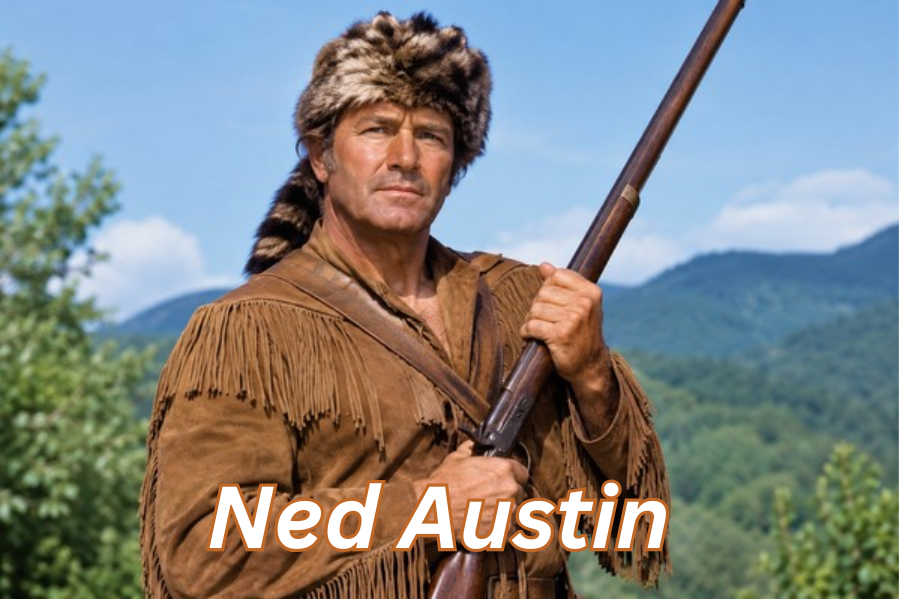
Ned Austin had the kind of acting career that rarely fits neatly into a Hollywood headline. He worked in outdoor historical drama, performed extensively on regional stages, appeared on television, and eventually became familiar to horror fans through Stephen King’s Maximum Overdrive. He worked far beyond the spotlight.
But his story began decades earlier in North Carolina, where theatre shaped his career and family life. Ned Austin Quick Bio
| Details | Information |
|---|---|
| Full Name | Ned Payne Austin |
| Known As | Ned Austin |
| Date of Birth | April 29, 1925 |
| Birthplace | Watauga County, North Carolina, USA |
| Date of Death | February 10, 2007 |
| Age at Death | 81 years |
| Nationality | American |
| Profession | Film, Television and Theatre Actor |
| Famous For | Maximum Overdrive (1986), Horn in the West |
| Notable Films | Maximum Overdrive, Hot Summer in Barefoot County |
| Television Credits | Route 66, Movin’ On, Alias Smith and Jones |
| Famous Theatre Role | Daniel Boone in Horn in the West (1952–1954) |
| Wife | Roberta Jones Austin |
| Children | Six, including Sam Austin |
| Years Active | 1950s–1980s (documented career highlights) |
| Place of Death | Boone, North Carolina, USA |
| Net Worth | Not publicly verified |
Who Was Ned Austin?
Ned Payne Austin was an American stage, film, and television actor born on April 29, 1925, in Watauga County, North Carolina. He died on February 10, 2007, in Boone, aged 81.
Beyond his bridgemaster role, he originated Daniel Boone in Horn in the West, performed in Denver theatres, and appeared in television dramas and independent films.
He belonged to the Screen Actors Guild and AFTRA, professional organisations representing performers.
North Carolina Beginnings and an Early Commitment to Theatre
The Appalachian region remained central to Austin’s career and personal life.
Little is publicly documented about his education or formal training. He gained early acting experience in summer stock theatre in Surry, Maine, where performers typically worked across changing productions.
After two seasons, he secured his defining early role.
Working in summer stock meant learning to deliver performances under tight schedules, an environment that valued reliability and range. Although specific early roles are not well recorded, the transition from Maine productions to a major historical part marked a significant professional step.
Becoming the Original Daniel Boone in Horn in the West
In 1952, Austin began portraying frontier figure Daniel Boone in Horn in the West, an outdoor drama written by Kermit Hunter and staged in Boone, North Carolina.
The Revolutionary-era drama explores frontier life and conflict in the Appalachian region.
Austin originated the role and performed it through 1954, taking centre stage in a production rooted in his home region.
The drama continued for decades, with other actors succeeding him as Daniel Boone.
The production stands apart because it presents regional history within a landscape connected to the events it depicts. Austin belonged to its founding generation, rather than joining an established show many years later. That distinction gives his involvement particular historical interest.
A Theatre Production That Changed His Personal Life
The opening season also brought a lasting personal connection. Roberta Jones travelled to Boone in 1952 to join the cast and met Austin during the production. The two married, establishing a partnership that would continue through their years in New York, Colorado, and North Carolina.
Both returned to the production in 1953 and 1954.
Building a Career on Denver Stages
After his early work in Boone, Austin developed a substantial theatrical career in Denver, Colorado. Biographical accounts credit him with appearances in approximately 40 stage productions across several companies.
Such sustained stage work required adaptability, discipline, and close collaboration with fellow performers.
His theatre career illustrates why screen credits alone cannot capture his professional range.
Regional companies depend on versatile actors who can return for very different productions. With an extensive body of stage work in Denver, Austin would have been familiar to local theatre audiences even when his performances received little attention outside Colorado.
The Austin family spent roughly two decades in Denver. Roberta taught, performed music, and raised their six children, while the family’s connection to theatre continued.
Film Career: Regional Productions and Hollywood Connections
His films included Hot Summer in Barefoot County (1974), directed by Will Zens.
Hot Summer in Barefoot County
In this independent Southern comedy, Austin played Otis Perkins. The story centres on an undercover officer investigating moonshine activity in a rural community. Its regional setting and offbeat humour positioned it outside conventional big-studio filmmaking.
The American Film Institute documents its North Carolina filming locations, another link to Austin’s home state.
Biographical summaries also associate him with Richard Brooks’s The Happy Ending and Woody Allen’s Annie Hall. However, his precise parts in those films are not clearly established in the readily available cast records, so neither should be treated as a confirmed major role.
Maximum Overdrive and His Best-Known Screen Appearance
Austin’s most widely recognised film appearance came in Maximum Overdrive, released in 1986. Written and directed by Stephen King, the horror film imagines machinery turning violently against human beings after a mysterious cosmic event.
Austin played the bridgemaster during the opening sequence. As a drawbridge begins operating uncontrollably, ordinary traffic becomes caught in a dangerous situation. The scene introduces the film’s central premise before the action moves to other locations.
His alarm gives the bizarre disaster an immediate human perspective.
His exasperated line, “Can’t you see we’ve got a situation here?!” remains associated with the scene.
Why the Bridgemaster Scene Still Stands Out
Austin establishes his character within seconds, conveying the emergency and the bridge crew’s confusion.
The sequence also has a local connection: Maximum Overdrive was filmed in and around Wilmington, North Carolina, with the opening bridge material involving the area’s drawbridge locations and constructed effects.
The film introduced his work to new audiences.
The contrast with his Daniel Boone stage role is striking. One assignment involved sustained historical storytelling before a live audience; the other required him to communicate authority and alarm in a rapidly escalating film sequence. Both demanded precision, despite their differences in scale.
Television Roles and Character Acting
His television work included Route 66, Alias Smith and Jones, Company of Killers, and children’s programming.
The clearest substantial television record is Movin’ On, the trucking drama starring Claude Akins and Frank Converse. Austin appears in cast databases for six episodes across 1975 and 1976, with character names including Daniel Boonley, Fredd Charles, and Steve Gundleone.
Such roles show his flexibility as a character actor.
His work also included commercials and industrial films, which are less thoroughly documented today.
Returning Home to Boone
In 1972, Austin returned to Boone with his family. He remained connected to the region for the rest of his life, continuing to participate in community theatre and locally produced films.
The move brought him back to the setting of his earliest major stage success.
His continued participation showed a lasting commitment to regional performance.
Marriage, Children and a Creative Family
Austin’s wife, Roberta Jones Austin, was herself involved in theatre and music. She later worked as an educator in Boone, teaching at Hardin Park Elementary School. The couple raised six children.
Their son Sam starred in Disney’s Mountain Born, broadcast in 1972, and wrote its theme song.
Sam has recalled that the family’s children regularly took part in stage productions.
Disney’s archive describes Mountain Born as the story of a boy learning to care for sheep in the Colorado mountains. The production offers a connection between Austin’s regional theatre background and the next generation’s work for a national audience.
Roberta died in 2022, leaving her own legacy in education, music, and theatre.
Reputation and Lasting Legacy
Austin’s professional record does not resemble that of a conventional Hollywood star. His significance lies instead in the breadth of his work: outdoor historical theatre, Denver stage productions, regional cinema, network television, and a recognisable cult-horror appearance.
In Boone, he remains linked to Horn in the West; film fans remember his bridgemaster role.
His career demonstrates the importance of performers whose work sustains local theatre and enriches supporting casts.
Conclusion
Ned Austin built a varied acting life without relying on Hollywood stardom. From originating Daniel Boone onstage to his memorable appearance in Maximum Overdrive, he moved between theatrical traditions and screen genres
READ THIS TOO Malcolm Atterbury: The Character Actor Behind Hollywood’s Memorable Scenes


One Comment